
Carbon credits concept has gained significant attention as a potential solution to combat climate change. These credits offer a mechanism for individuals and organizations to offset their carbon emissions by supporting projects that reduce greenhouse gas (GHG) emissions. While the concept of carbon credits originated in developed countries, it is crucial to examine its relevance and potential in Africa.
Understanding Carbon Credits
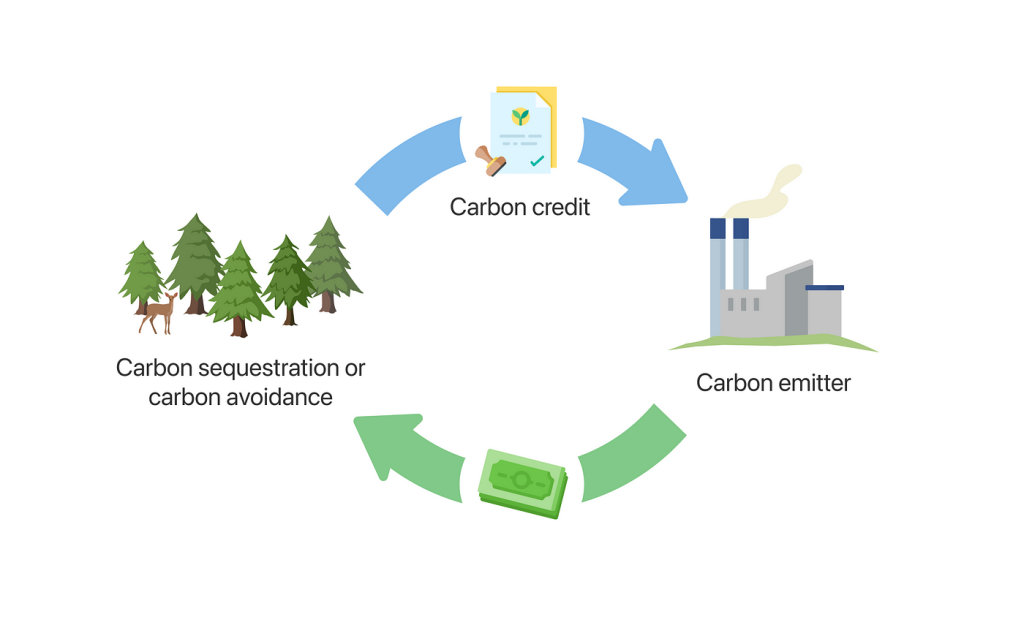
They are a market-based approach to reducing GHG emissions. They work on the principle that every ton of carbon dioxide (CO2) or equivalent GHG emissions reduced or removed from the atmosphere equals one carbon credit. These credits can be traded, creating a financial incentive for businesses and individuals to invest in emission reduction projects.
Carbon Credits-The African Context

Africa, a continent rich in natural resources and biodiversity, is also vulnerable to the impacts of climate change. The African perspective on carbon credits revolves around leveraging sustainable development opportunities while addressing the pressing environmental challenges. Here are a few key aspects to consider:
- Mitigating Deforestation: Africa is home to vast forested regions, which play a crucial role in mitigating climate change by absorbing CO2. Implementing carbon credit projects that focus on reducing deforestation and promoting reforestation can have a significant impact on the continent’s carbon footprint.
- Renewable Energy Initiatives: Africa has immense potential for renewable energy sources such as solar, wind, hydro, and geothermal power. By investing in renewable energy projects, African countries can reduce their reliance on fossil fuels, lower emissions, and generate carbon credits.
- Clean Cooking Solutions: A large proportion of Africa’s population still relies on traditional biomass for cooking, leading to indoor air pollution and significant carbon emissions. Introducing clean cooking solutions, such as improved cookstoves, can reduce emissions while improving health and livelihoods.
- Sustainable Agriculture: Agriculture is a vital sector in many African countries. Implementing sustainable farming practices, such as agroforestry, organic farming, and efficient irrigation methods, can help sequester carbon, enhance food security, and generate carbon credits.
Challenges and Opportunities
While the potential for carbon credits in Africa is significant, several challenges need to be addressed for effective implementation:
- Capacity Building: Enhancing knowledge and technical expertise in carbon credit project development and management is crucial. Investing in training programs and building local capacity can empower African nations to actively participate in the carbon market.
- Access to Financing: Access to finance is a significant barrier for African countries looking to initiate carbon credit projects. Developing innovative financing mechanisms and fostering partnerships with international organizations and investors can unlock the necessary financial resources.
- Robust Monitoring and Verification: Accurate measurement, reporting, and verification of emission reductions are vital for the credibility and transparency of carbon credit projects. Strengthening monitoring systems and establishing reliable verification processes will ensure the integrity of African projects.
Conclusion
Carbon credits offer a promising avenue for sustainable development in Africa. By leveraging the continent’s unique natural resources and addressing environmental challenges, Africa can play a significant role in global emission reduction efforts. It is essential for African governments, organizations, and communities to collaborate, build capacity, and seize the opportunities provided by carbon credits. By doing so, Africa can foster economic growth, enhance resilience to climate change, and contribute to a more sustainable and prosperous future for its people and the planet




Pingback: A Decade of Unprecedented Climate Change: Urgent Actions for a Sustainable Future - Koolnoch Solutions