In the face of an escalating climate crisis, international efforts to combat climate change have become more critical than ever. The Paris Agreement, adopted in December 2015, stands as a significant milestone in global climate action. This historic accord brought together nations from around the world to address the urgent need for collective action in reducing greenhouse gas emissions and mitigating the impacts of climate change. As we reflect upon the Paris Agreement, it becomes evident that while progress has been made, there are challenges and opportunities that lie ahead in our fight against climate change.

The Paris Agreement: A Beacon of Global Collaboration
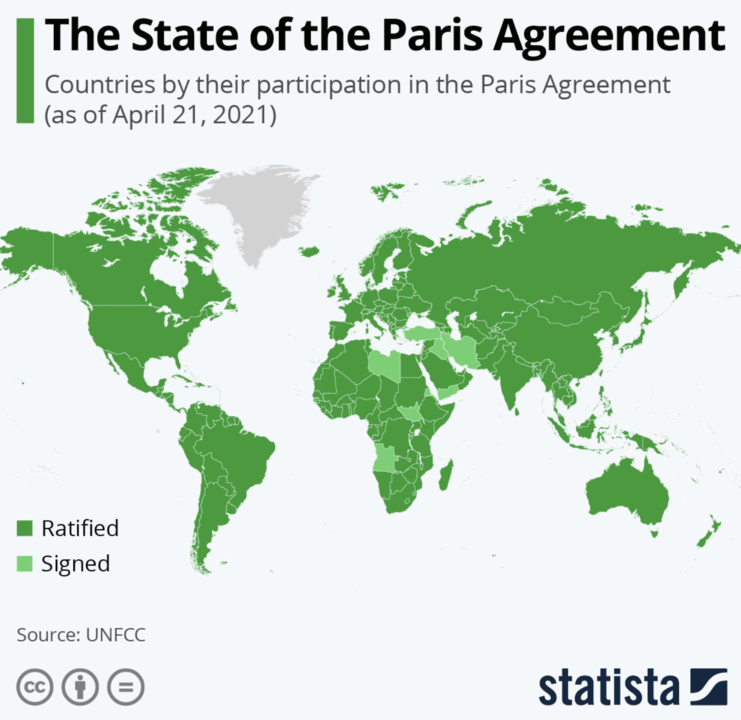
The Paris Agreement marked a turning point in global climate diplomacy, as 196 parties committed to limiting global warming to well below 2 degrees Celsius above pre-industrial levels, and to pursue efforts to limit the temperature increase to 1.5 degrees Celsius. This ambitious target acknowledged the urgency of the situation and the need for aggressive action to avert catastrophic consequences.
One of the agreement’s strengths is its bottom-up approach, allowing each nation to set its own emissions reduction targets known as Nationally Determined Contributions (NDCs). This flexibility acknowledges the diverse capacities and circumstances of different countries while promoting shared responsibility. Furthermore, the agreement emphasizes transparency, accountability, and regular review mechanisms to assess progress and encourage countries to ramp up their climate commitments over time.
Progress and Challenges
Since the adoption of the Paris Agreement, there have been positive developments. Many countries have made significant efforts to reduce emissions and transition towards cleaner energy sources. Renewable energy capacity has witnessed substantial growth, and technological advancements have made renewable energy more affordable and accessible.
Moreover, the Paris Agreement has catalyzed increased public awareness and engagement on climate change issues. It has spurred businesses, cities, and regions to take action independently, demonstrating that collective efforts extend beyond national boundaries. However, despite progress, global emissions continue to rise, underscoring the urgent need for enhanced climate action.
One of the challenges lies in the implementation of NDCs. Many countries are struggling to meet their emission reduction targets, primarily due to various political, economic, and social factors. Insufficient financial resources, lack of technological capabilities, and competing priorities often hinder countries’ ability to transition to low-carbon economies.
Additionally, the voluntary nature of the agreement raises concerns about compliance and enforcement. While transparency measures are in place, ensuring accountability and maintaining momentum remains a constant challenge. Furthermore, the withdrawal of the United States from the agreement in 2017 underscored the fragility of international commitments and the need for continued global cooperation.
Opportunities for Future Action
As we reflect on the Paris Agreement, it is crucial to identify opportunities for enhancing climate action and accelerating progress. Collaboration between governments, businesses, civil society, and individuals is vital for creating transformative change. Here are a few areas of focus:
Strengthening International Cooperation: Countries must deepen their collaboration and share best practices to drive innovation, enhance technology transfer, and build capacity. Collaboration can promote knowledge exchange, expedite progress, and empower nations to overcome challenges collectively.

Mobilizing Climate Finance: Developed countries should fulfill their commitment to providing financial support to developing nations. Scaling up climate finance can help developing countries adopt cleaner technologies, build resilience, and transition to sustainable development pathways.
Enhancing Ambition: Regular review processes should encourage countries to increase their ambition in reducing emissions. As the urgency of the climate crisis intensifies, updating NDCs and setting more aggressive targets will be crucial to aligning global efforts with the goal of limiting global warming to 1.5 degrees Celsius.
Embracing Nature-Based Solutions: Harnessing the power of nature through initiatives such as reforestation, ecosystem restoration, and sustainable land management can contribute significantly