Introduction
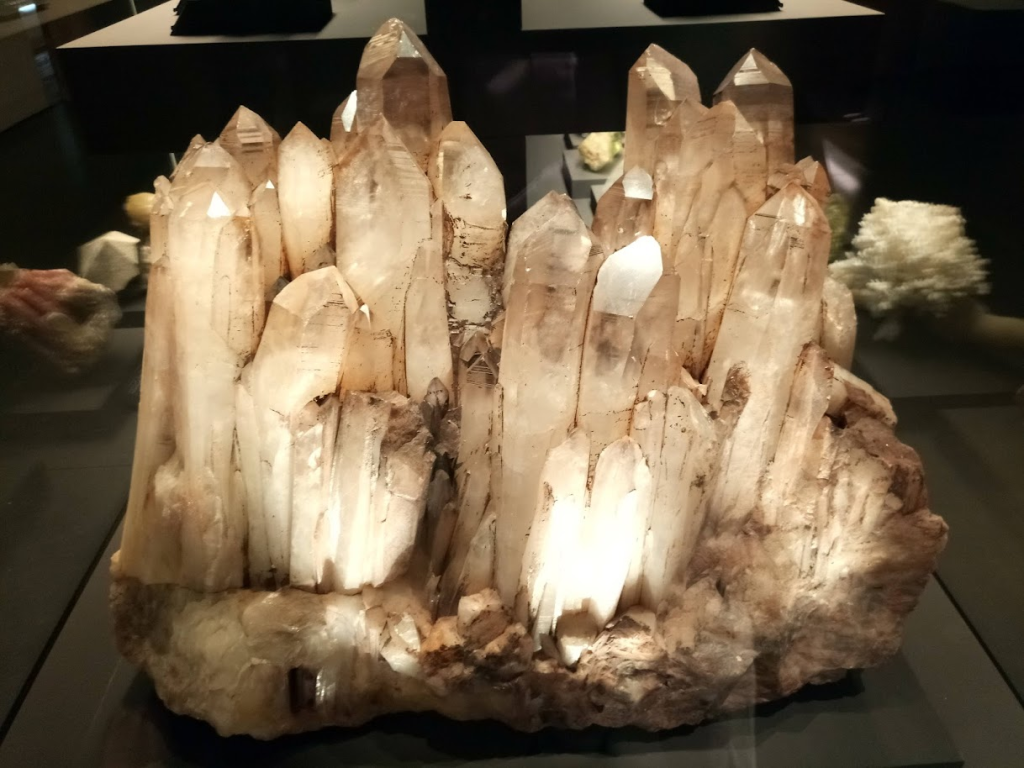
The mining industry is a crucial sector in the global economy due to its significant role in providing raw materials to other industries from metals like gold and copper, minerals like phosphate and potash, to precious stones like Gemstones and Diamonds. Mining has been around for centuries and its evolution has been closely tied to the development of civilization, evolving from primitive methods to advanced technology. The evolution has been influenced by technological advancements, demand for resources, economic growth, environmental concerns, and safety concerns.

Evolution of Mining
The evolution of mining can be broadly grouped into five periods:
- Prehistoric Period: Mining was done by primitive methods such as digging pits and using sharp rocks to extract minerals and metals from the earth.
- Ancient Period: With the advent of metal tools, mining techniques became more sophisticated. This era saw the development of mining tunnels, shafts, and pits.
- Medieval Period: During this era, mining became a specialized industry, and mining tools such as picks, hammers, and shovels were developed.
- Industrial Revolution: The Industrial Revolution saw the introduction of steam-powered machines, which revolutionized mining. The development of the steam engine also led to the creation of new mining techniques such as drilling, blasting, and tunneling.
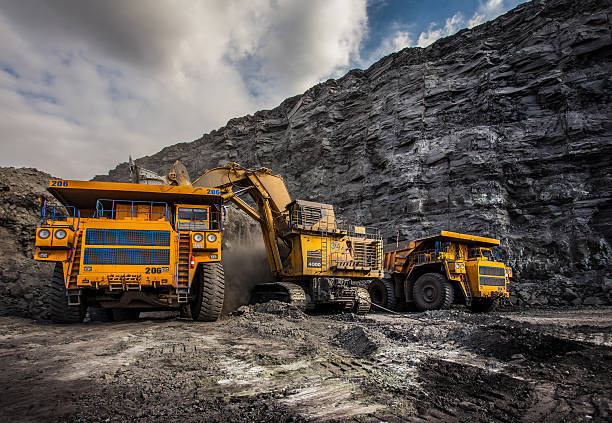
- Modern Era: The modern mining era is characterized by advanced technology and automation. Using computers and robotics has made mining safer, more efficient, and more profitable. Techniques like open-pit mining, underground mining, and mountaintop removal mining are commonly used today.
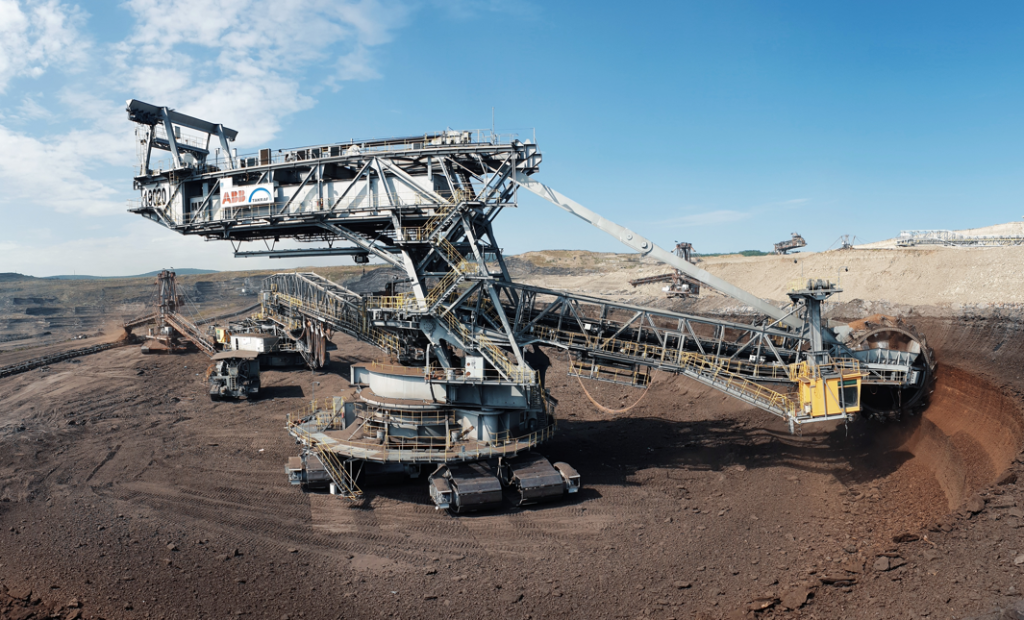
Factors Influencing Mining Evolution:
The evolution of the mining industry has been influenced by several factors, including:
- Technological advancements: As technology advanced, the methods of mining also improved. From simple tools such as picks and shovels, the industry has progressed to using complex machinery, computer systems, and automation.
- Demand for resources: The demand for various natural resources such as coal, oil, metals, and minerals has increased significantly over the years. This has resulted in a need for more efficient and cost-effective mining methods to meet the demand.
- Economic growth: Mining has played a significant role in the growth of economies worldwide. The development of new mining techniques has allowed for the extraction of resources previously thought to be uneconomical.
- Environmental concerns: The mining industry has been under increasing pressure to reduce its impact on the environment. This has led to the development of more sustainable mining practices and technologies to minimize the impact on the environment.
- Safety concerns: Safety concerns have also played a significant role in the evolution of mining. Improved safety regulations, training programs, and equipment have helped reduce accidents and fatalities in the industry.
The global future, which is significantly mineral-driven, is forcing the mining industry to continue to reinvent and evolve to ensure that the sector continues to play its critical role globally. As the demand for resources continues to rise, the industry must embrace sustainability and focus on minimizing its impact on the environment. With continued technological advancements, the mining industry is poised to continue evolving and meeting the needs of the global economy.